
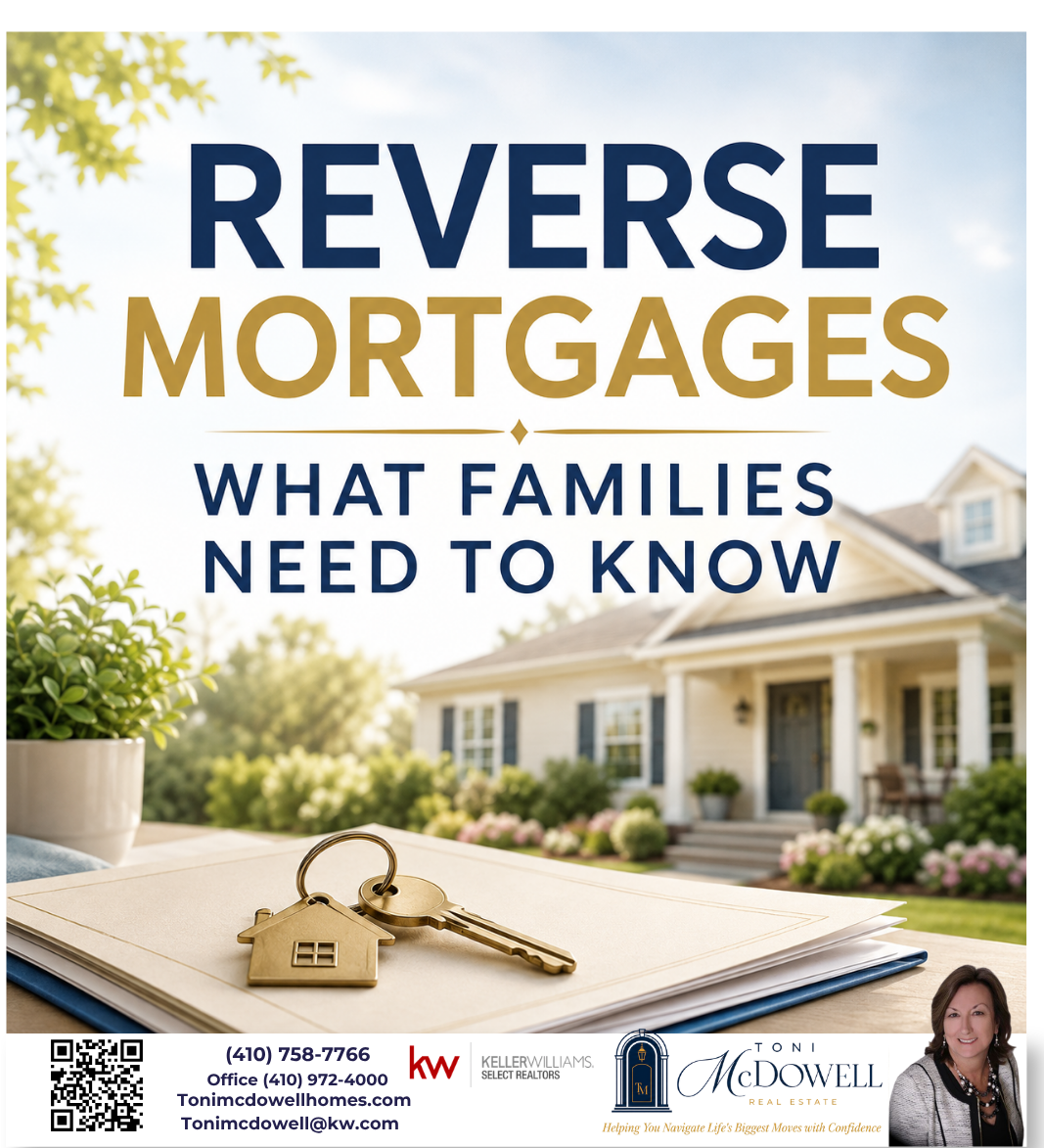
Do you have questions about a reverse mortgage — or are you dealing with a home after a family member who had a reverse mortgage has passed away?
You’re not alone. It can be confusing, especially when you’re also trying to handle an estate and determine what happens to the home.
A few important things to know:
🔑 A reverse mortgage does not automatically mean the lender “gets the house.”
When the homeowner passes away, the loan generally becomes due. The heirs or estate may have options, which can include:
• Selling the home and using the proceeds to pay off the reverse mortgage
• Keeping the home by satisfying the amount required by the lender
• Working with the lender/servicer when additional time may be needed to settle the estate or sell the property
⏰ Don’t ignore letters from the reverse mortgage company. There are important deadlines, so contacting the loan servicer early is one of the first things the family or estate representative should do.
If there is enough equity in the home after the reverse mortgage is paid off, that remaining equity belongs to the homeowner’s estate/heirs — not the mortgage company.
I’ve found that families often have questions such as:
“Can we sell the house?”
“How much time do we have?”
“What happens to the equity?”
“Who do we contact first?”
“What if the home is in probate?”
If you have questions about a reverse mortgage, are thinking about one, or are dealing with a property after the death of a family member who had one, reach out to me.
I’m happy to help you understand the real estate side of the process and connect you with the appropriate reverse mortgage, estate, or legal professionals when needed.
Sometimes the hardest part is simply knowing where to start.
Toni McDowell, REALTOR®
Keller Williams Select Realtors
📞 410-758-7766
🌐 ToniMcDowellHomes.com
General information only. Reverse mortgage requirements and estate circumstances vary. Consult the loan servicer and appropriate financial/legal professionals regarding your specific situation.