

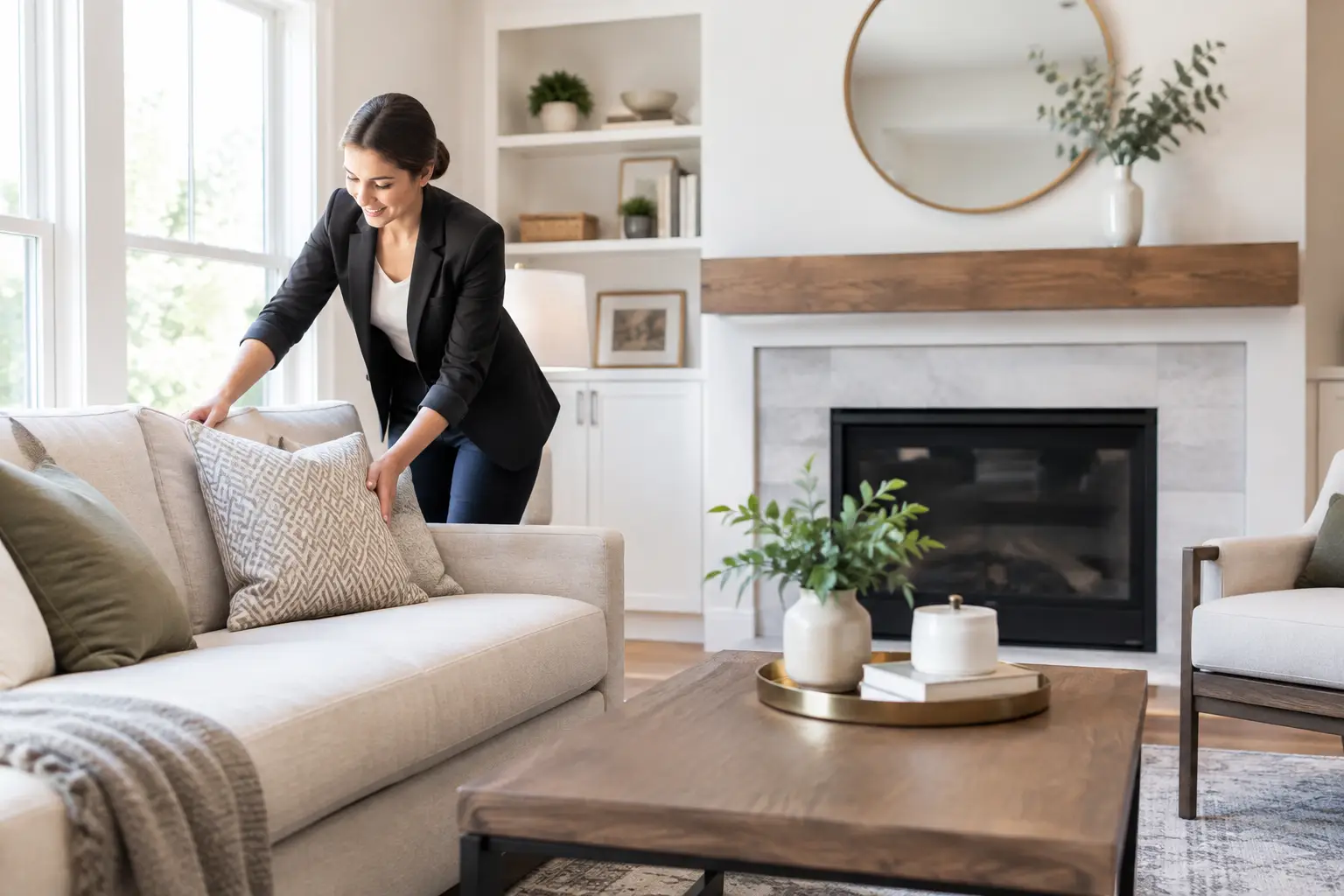
A buyer may spend only a few seconds forming an opinion when they pull up to your home or scroll through the listing photos. That is why the top home staging improvements are not about making a house look like someone else lives there. They are about helping buyers quickly understand the space, picture their own life in it, and feel confident that the home has been well cared for.
For sellers across Maryland’s Eastern Shore, Anne Arundel County, Queen Anne’s County, and nearby communities, the right preparation can look different from one property to the next. A waterfront home in Easton, a townhome in Bowie, and a family home in Severna Park will not need the same approach. Still, the goal remains consistent: remove distractions, emphasize the home’s best features, and make the online presentation as compelling as the in-person showing.
Start With the Improvements Buyers Notice First
Before buying new decor or renting furniture, address the details that can make buyers question maintenance. Staging is most effective when the home feels clean, functional, and move-in ready. A beautifully styled room cannot fully overcome a leaking faucet, stained carpet, broken blind, or scuffed front door.
Fresh paint is often one of the highest-return improvements because it changes both the look and feel of a home. Neutral does not have to mean sterile. Warm whites, soft greiges, and light taupes can brighten a room while allowing buyers to focus on its size, natural light, flooring, and layout. If the entire home does not need paint, prioritize the entry, main living areas, kitchen, hallways, and bedrooms with bold or heavily personalized colors.
Lighting deserves equal attention. Replace burned-out bulbs, use matching bulb temperatures in a room, and open curtains before photography and showings. Dark corners can make a home feel smaller, while a well-lit room feels cleaner and more welcoming. If a dated fixture is visually prominent, an affordable replacement may be worthwhile, especially in an entry, dining area, or bathroom.
Top Home Staging Improvements That Create a Strong Arrival
Curb appeal begins before buyers reach the front door. A driveway, walkway, porch, landscaping, and entry set expectations for the rest of the showing. This does not necessarily mean a major landscaping project. In many cases, careful cleanup produces the biggest difference.
Trim overgrown shrubs, edge the lawn, remove weeds, refresh mulch where needed, and clear leaves or debris from walkways. Seasonal planters near the entry can add color without requiring a large investment. Make sure house numbers are visible, the mailbox is in good condition, and the front door is clean. If the door has faded paint or worn hardware, a refresh can make the home feel more polished from the first moment.
For Eastern Shore properties, pay close attention to exterior surfaces that may show weather exposure, including porches, decks, railings, shutters, and siding. Buyers often notice peeling paint or neglected outdoor spaces immediately. A clean, usable deck or patio also helps them see the lifestyle potential of the property, particularly when outdoor entertaining is a local selling point.
Make Each Room Easy to Understand
Buyers should not have to guess how a room works. A spare room packed with storage boxes may be perceived as a storage problem, while the same room furnished simply as an office or guest room becomes an added feature. The purpose of every space should be clear.
Start by removing excess furniture. Crowded rooms photograph poorly and can make even a generously sized home seem tight. Keep enough furniture to show function and scale, but create visible walkways and breathing room around windows, doors, and focal points. In a living room, arrange seating to encourage conversation rather than pushing every piece against the wall by default.
Bedrooms should feel restful and spacious. Use simple bedding, clear clothes from floors and chairs, and reduce the number of items on nightstands and dressers. In children’s rooms, a little personality is fine, but overly themed decor or overflowing toys can distract buyers from the room itself.
Dining rooms and eat-in kitchens benefit from a clear, inviting setup. A modest table setting can suggest entertaining without making the space feel formal or untouchable. If a dining room has become a catch-all office, exercise area, or storage zone, restoring its intended function may help buyers recognize the square footage they are getting.
Give Kitchens and Bathrooms Priority
Kitchens and bathrooms carry significant weight with buyers, even when a full renovation is not realistic or necessary. The objective is to show clean, cared-for spaces with as much visible counter space as possible.
In the kitchen, clear counters of small appliances, mail, medication, and everyday clutter. Leave only a few intentional items, such as a bowl of fresh fruit or a simple tray. Clean cabinet fronts, appliance surfaces, backsplashes, and grout lines carefully. Update worn cabinet hardware if it is dated or mismatched, but avoid spending heavily on upgrades that may not match the next owner’s preferences.
Bathrooms should feel fresh and hotel-clean. Replace worn shower curtains, bath mats, and hand towels. Remove personal toiletries from counters, tubs, and shower ledges. Recaulk stained areas if needed, repair dripping faucets, and make sure mirrors and fixtures shine. These are modest tasks, but they signal care and reduce the mental list of work buyers may expect after closing.
Depersonalize Without Making the Home Feel Empty
A staged home should feel welcoming, not anonymous. Family photos, collections, refrigerator magnets, pet supplies, and highly personal items can make it harder for buyers to imagine the home as theirs. They can also pull attention away from a room’s strongest features.
Remove most personal photographs and pack away valuables, documents, and medications. Edit open shelving and display surfaces so they look intentional rather than crowded. This is also a practical head start on packing, which can be helpful for sellers balancing a move, work, children, or a relocation timeline.
There is a trade-off here. Over-depersonalizing an occupied home can make it feel cold, while leaving everything as-is can create visual noise. A good staging plan preserves warmth through texture, greenery, artwork, and a few well-chosen accessories while allowing the home’s architecture and condition to take center stage.
Do Not Overlook Storage, Odors, and Pet Evidence
Buyers open closets, cabinets, pantries, and laundry areas. Those spaces do not need to be empty, but they should appear usable and organized. Aim to remove enough items that shelves and hanging space are visible. An overfilled closet suggests insufficient storage, whether or not that is actually true.
Odors can be even more influential than clutter because buyers may remember them after they leave. Avoid trying to cover odors with heavy candles or fragrance sprays. Instead, clean soft surfaces, wash pet bedding, empty trash regularly, ventilate the home, and address the source of any persistent smell. If you have pets, arrange for litter boxes, crates, food bowls, and toys to be out of sight for photos and showings whenever possible.
Stage for Photos Before You Stage for Showings
Most buyers will meet your home online first. Professional photography works best when the rooms are fully prepared before the photographer arrives, not when cleanup is still underway. Counters should be clear, window treatments adjusted, lights working, and vehicles moved from the driveway if possible.
For showings, maintain a simple daily reset: make beds, wipe kitchen counters, put away dishes, take out trash, and open blinds. Sellers living in the home often worry that this standard is impossible to maintain. It can be demanding, especially with children, pets, or a busy schedule. The answer is not perfection every day. It is creating a realistic routine and focusing on the rooms buyers notice most.
Vacant homes require a different strategy. Empty rooms can make it difficult to judge scale, and photographs may feel flat without furniture. Full staging can be valuable for higher-priced homes, unusual layouts, or properties that have been vacant for some time. For other homes, targeted staging in the living room, primary bedroom, dining area, and key outdoor spaces may be enough. The right level of investment depends on price point, condition, competition, and how long the home is likely to be on the market.
A thoughtful staging plan should support your pricing and marketing strategy, not replace it. When you are preparing to sell, a room-by-room walk-through can identify which changes will matter most for your specific home, budget, and local buyer pool. A few focused improvements, completed before photos go live, can help buyers walk in feeling less like they are evaluating work and more like they are imagining home.