
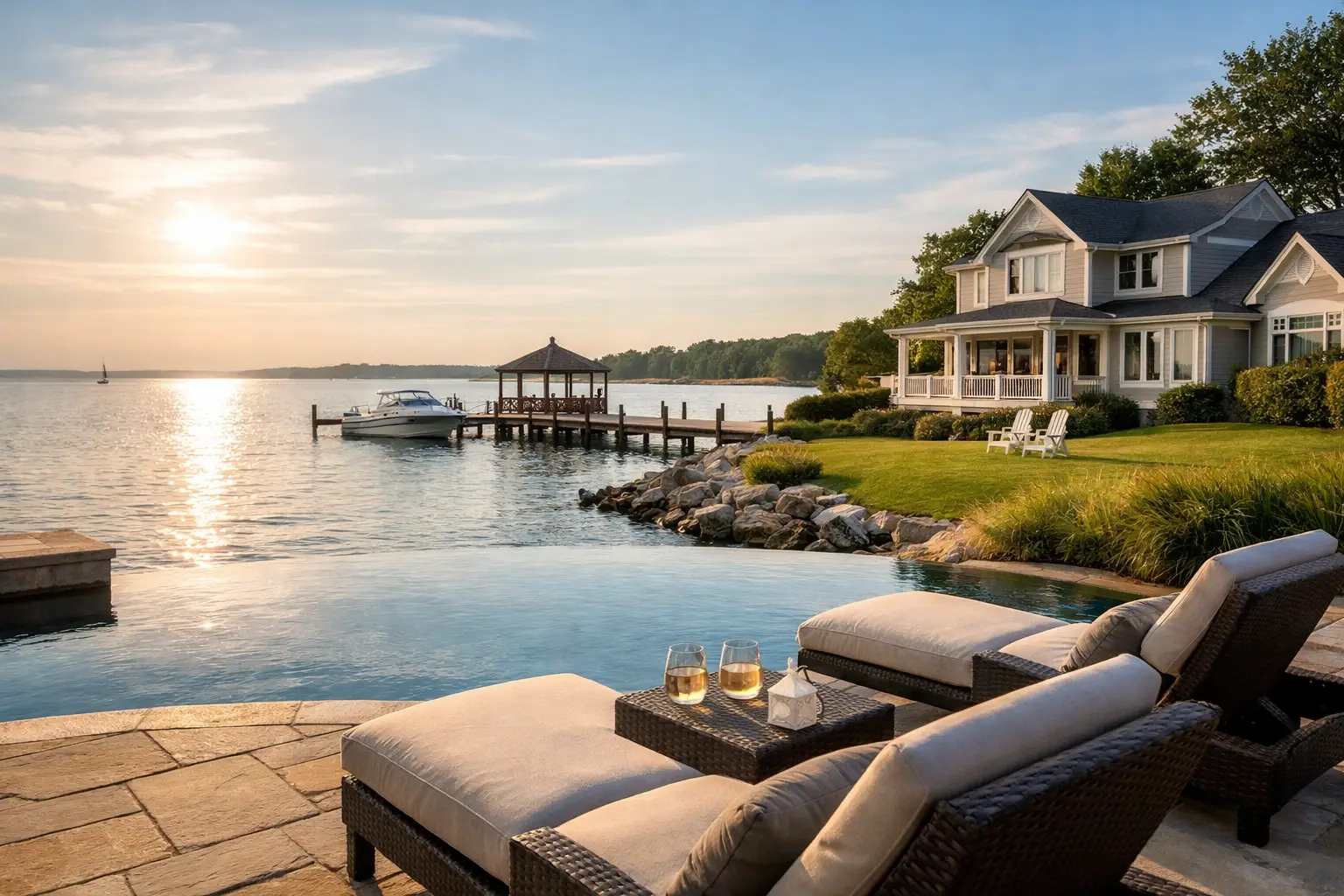
The first quiet morning beside the water can make a property feel like the obvious choice. But Queen Anne’s County waterfront homes deserve a closer look before emotion takes the lead. The view, the breeze, and the access to the Bay or a tributary matter, but so do the shoreline, flood exposure, dock condition, commuting needs, and the everyday costs of owning near the water.
For the right buyer, waterfront living can be a meaningful lifestyle investment. The goal is not simply to find a house with water behind it. It is to find a property that supports the way you want to live, fits your financial comfort zone, and gives you confidence long after closing.
Queen Anne’s County Waterfront Homes Start With the Water
Not all waterfront is the same. A home with broad Chesapeake Bay views creates a different experience from one on a protected creek, river, cove, or tidal inlet. Some buyers picture launching a boat from their own dock. Others want sunrise views, birdwatching, kayaking, or a peaceful setting without the maintenance and activity that can come with deep-water access.
Before falling in love with a listing photo, consider what the water actually offers. Ask whether the shoreline is tidal, whether water depth changes with the tide, and whether the home has direct water access or simply a view. A property may look close to the water while access is limited by marsh, steep terrain, neighboring lots, or shoreline conditions.
The orientation of the home also matters. Western exposure can offer memorable sunsets but may bring stronger afternoon heat. A protected cove can feel calm and private, while a more open location may provide wider views and greater exposure to wind, waves, and boat traffic. Neither is automatically better. It depends on whether your priority is boating, privacy, entertaining, or a quieter connection to the outdoors.
Docks, piers, and boat access require details
A pier or dock can add real value to a waterfront property, but it should never be treated as a simple amenity. Its condition, water depth, permitted use, electrical service, lifts, and maintenance history all deserve attention. A dock that works well for a kayak or small center-console boat may not meet the needs of a larger vessel or a buyer who wants regular Bay access.
It is also wise to understand what is currently permitted and what future changes may require. Waterfront improvements are often subject to local, state, environmental, and community rules. If a buyer expects to enlarge a pier, add a lift, replace a bulkhead, or improve access, those plans should be researched before writing an offer around them.
Look Beyond the View at Shoreline Condition
The shoreline is part of the property. It can also be one of its most important long-term responsibilities. Some homes have bulkheads, riprap, natural marshes, beaches, or living shorelines designed to reduce erosion while supporting the local environment. Each approach comes with different maintenance needs, costs, and permitting considerations.
During a showing, pay attention to signs of erosion, leaning walls, washouts, exposed roots, cracked bulkheads, or uneven ground near the water. These issues do not necessarily mean a property should be avoided. They do mean a buyer needs clear information about condition, repair options, timing, and likely expense.
A home inspection is essential, but waterfront buyers may also benefit from specialized review when shoreline, structural, dock, or drainage concerns arise. An experienced local agent can help identify the questions worth asking early, so you are not learning about a major issue after the inspection contingency has passed.
Understand Flood Risk and Ongoing Ownership Costs
Waterfront living often comes with expenses that are less obvious than the mortgage payment. Flood insurance may be required by a lender depending on the property’s flood zone, and even when it is not required, buyers may want to evaluate whether coverage makes sense for their risk tolerance. Insurance availability, deductibles, and premiums can vary, so it is smart to request estimates before making a final decision.
Buyers should also account for waterfront-specific maintenance. That may include dock repairs, seawall or bulkhead work, tree management, drainage improvements, pest control, exterior paint, or service for a well and septic system if the home is not connected to public utilities. Older homes can be especially charming, but they may need more careful evaluation of electrical systems, foundations, windows, roofs, and moisture control.
The best waterfront purchase is not necessarily the home with the lowest asking price. A property with a newer roof, well-maintained shoreline, sound dock, favorable insurance profile, and documented updates may offer stronger value than a less expensive home with major deferred maintenance.
Match the Home to Your Daily Life
Queen Anne’s County offers a compelling balance of small-town character, open space, and access to major employment centers and destinations. Still, waterfront buyers should test the lifestyle rather than assume it will work. Drive the route to work during realistic commute hours. Check the distance to groceries, medical care, schools, marinas, restaurants, and the places you visit most often.
For remote workers, internet reliability is not a minor detail. Confirm the available providers and service level rather than relying on a general assumption. For families, consider the practical side of water access, including fencing, supervision, outdoor play areas, and how the home functions when friends and relatives visit.
Seasonality matters too. A home that feels wonderfully quiet in winter may be busier during boating season. Visit at different times of day when possible. Listen for road noise, boat traffic, wildlife, and neighboring activity. Notice whether the yard gets muddy after rain, whether the wind feels stronger than expected, and how easily you can picture using the outdoor spaces in every season.
Community rules can shape the experience
If the home is part of a homeowners association, review the documents closely. Rules may affect docks, boat storage, fences, exterior changes, short-term rentals, parking, and other aspects of waterfront ownership. Community amenities can be valuable, but fees and restrictions should align with your plans.
For investment buyers, rental rules deserve special attention. A beautiful waterfront home does not automatically make a suitable short-term or long-term rental. Local regulations, association restrictions, insurance requirements, occupancy limits, and maintenance demands can all affect the property’s income potential.
Make a Competitive Offer Without Skipping Protection
Well-priced waterfront homes can attract strong interest because supply is limited and the lifestyle is highly desirable. A competitive offer may require decisive action, but it should still protect you from avoidable surprises. The right strategy depends on the home’s condition, comparable sales, seller priorities, financing, and the amount of due diligence the property requires.
Inspection contingencies, financing terms, appraisal considerations, and settlement timing should be structured thoughtfully. Waiving protections simply to look stronger can create unnecessary risk, particularly when a home includes private water access, aging systems, or a shoreline that needs attention. A skilled buyer strategy focuses on presenting a clean, credible offer while preserving the checks that matter most.
For sellers, preparation has an outsized impact. Clear documentation for improvements, dock permits, insurance information, utility details, and maintenance records can reduce buyer uncertainty. Professional presentation should show the lifestyle without hiding the practical features buyers need to evaluate. A waterfront home sells best when buyers can imagine the experience and understand the property’s condition with confidence.
A Waterfront Search Should Feel Personal
The right home may be a Bay-front retreat, a creekside property with a private pier, or a quieter home where the water is simply part of the view. There is no single definition of waterfront value. The best fit comes from balancing the emotional pull of the setting with the practical realities of ownership.
Toni McDowell Homes helps buyers ask the right questions, compare properties with care, and move forward with responsive, personal guidance. When the right waterfront opportunity appears, you should be ready to recognize not just a beautiful view, but a home that truly supports the life you want to build there.