
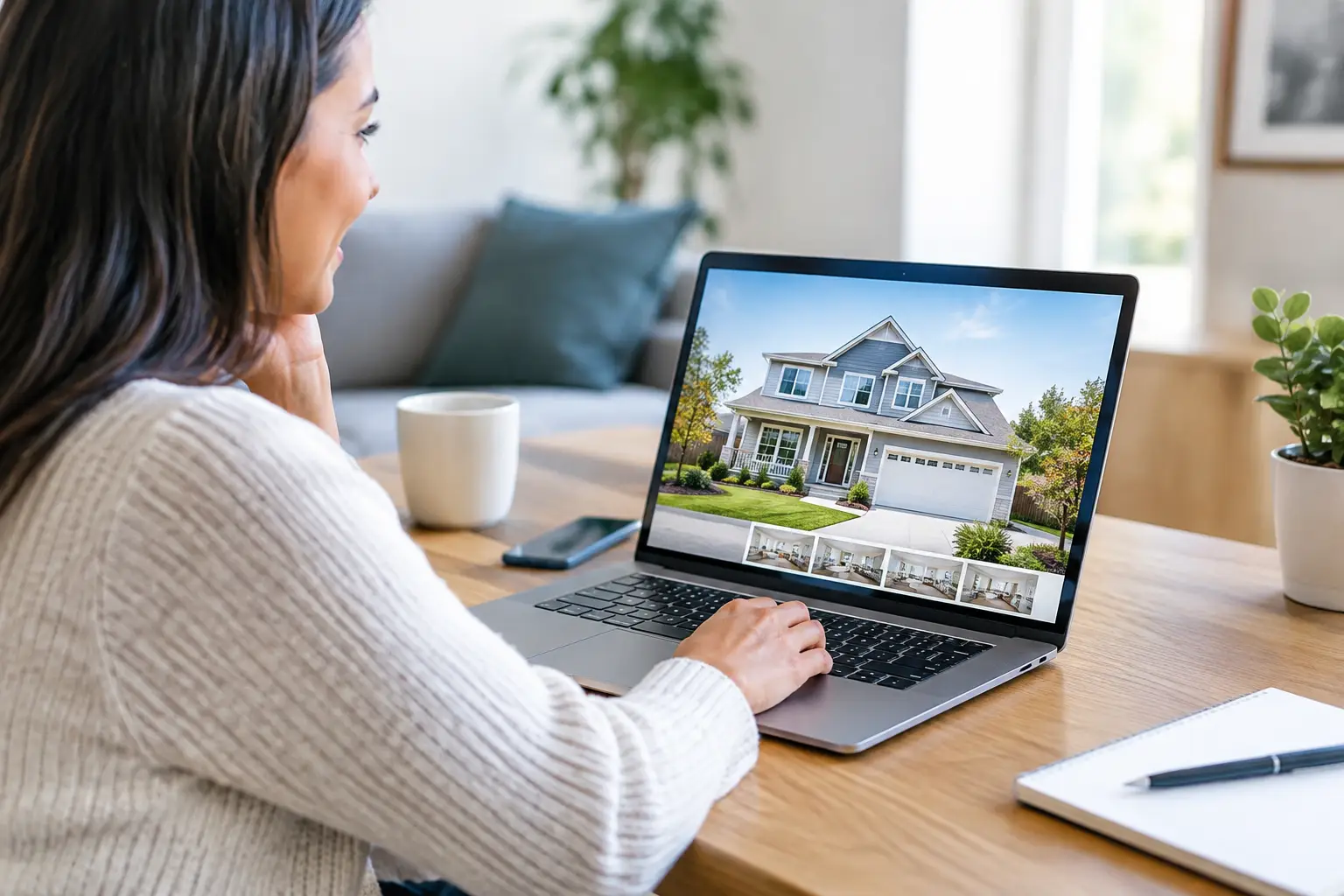
A job change, military move, family transition, or timing issue can make it impossible to tour every home in person. Remote home buying does not have to mean making a rushed decision from a distance. With the right preparation and a local advocate who is willing to look closely, ask hard questions, and keep communication moving, you can buy with clarity even when you are not nearby.
For buyers relocating to Maryland’s Eastern Shore, Anne Arundel County, Queen Anne’s County, or surrounding communities, the details matter. A home that looks ideal in listing photos may feel different when you understand the traffic pattern, lot layout, condition of nearby homes, or daily drive to work and school. Your agent’s role is not simply to open doors. It is to help you see the full picture before you commit.
Start Remote Home Buying Before You Start Touring
The strongest remote purchase begins with an honest conversation about what is fixed and what is flexible. Your budget, preferred move date, financing, commute, school needs, and must-have features should be clear before a promising listing appears. When a desirable home enters the market, there may be little time to sort out questions that could have been answered earlier.
A current pre-approval is especially valuable for an out-of-area buyer. It shows sellers that your financing has been reviewed and gives you a realistic price range, including the effect of taxes, insurance, and any homeowners association fees. In Maryland, those monthly costs can vary significantly by location and property type. A waterfront community, condominium, townhome, or older property may carry expenses that change what feels comfortable each month.
It also helps to define your decision-making process in advance. If two people are purchasing together, talk through how you will evaluate a home and who needs to be involved before an offer is written. If a parent, advisor, or employer will weigh in, establish a practical timeline for their input. Good homes can move quickly, but a thoughtful plan prevents urgency from becoming pressure.
Look Beyond the Listing Photos
Professional photos are designed to show a home at its best. They are useful, but they cannot tell you whether a room is truly functional, whether the backyard has privacy, or whether the street feels busier than expected. A live video tour gives you the opportunity to direct the experience rather than relying only on a curated presentation.
Ask for a walkthrough that begins outside. Have your agent show the approach to the home, the condition of neighboring properties, parking, the yard, drainage areas, exterior materials, and any visible signs of deferred maintenance. Inside, request a slower look at the rooms that affect everyday living: kitchen storage, closet space, bedroom dimensions, bathrooms, basement or crawlspace access, utility systems, and views from the windows.
The goal is not to find a perfect house. Every property has trade-offs. The goal is to identify the trade-offs you can comfortably accept and the ones that could become expensive, inconvenient, or disappointing after closing. A knowledgeable local agent should be candid about what they observe rather than trying to talk you into a home.
Ask Questions That Photos Cannot Answer
During a remote tour, specific questions produce better answers than asking whether the home is “nice.” Ask how the home feels upon entry, whether there are noticeable odors, if floors slope, whether the road noise is audible indoors, and whether natural light changes between the front and back of the house. Ask to see the view from each bedroom, the age and condition of major systems when known, and any areas that appear recently repaired or freshly painted.
Neighborhood context deserves the same attention. A home in Easton may offer a different pace, lot size, and access to amenities than a comparable home in Severna Park or Odenton. In Anne Arundel and Queen Anne’s counties, proximity to water, bridges, commuter routes, and local services can shape daily life as much as the house itself. Your priorities should guide the search, not a one-size-fits-all idea of the “best” neighborhood.
Use the Contract to Protect Your Position
Buying from a distance makes a well-structured offer even more important. Price matters, but it is only one part of the agreement. Financing terms, settlement timing, contingencies, requested inclusions, and repair expectations all affect both your risk and the strength of your offer.
A competitive offer should not require you to give up every protection. Whether you should include an inspection contingency, appraisal contingency, or another term depends on the property, your financing, the market conditions, and your tolerance for risk. In a multiple-offer situation, it may be tempting to remove safeguards just to compete. Before doing so, understand what you could be responsible for if the inspection reveals a significant issue or the appraisal comes in below the contract price.
Clear communication with the listing agent can also make a difference. Sellers often want confidence that an out-of-area buyer is serious, prepared, and able to meet the agreed-upon timeline. A responsive buyer’s agent can present the strengths of your offer, anticipate questions, and keep negotiations focused on a workable outcome.
Treat the Inspection as Your On-the-Ground Reality Check
The home inspection is one of the most valuable parts of remote home buying. It gives you an independent assessment of the property’s visible condition and helps you decide what deserves additional attention. Whenever possible, attend virtually while the inspector is at the home. Many inspectors can walk you through their key findings by phone or video, allowing you to ask questions in real time.
Read the report carefully, but do not assume every item is a deal-breaker. Inspection reports are thorough by design and may identify maintenance items, aging components, and safety concerns alongside more substantial defects. Your agent can help you separate routine homeownership responsibilities from issues that may warrant further evaluation, a repair request, a credit, or a change in plans.
For older homes, rural properties, waterfront locations, or homes with septic systems, wells, docks, or substantial acreage, additional inspections may be appropriate. The right due diligence depends on the property. Spending time and money to understand a meaningful concern before closing is usually far better than discovering it after you receive the keys.
Keep the Repair Conversation Focused
A long repair request that includes every minor item can distract from the concerns that truly matter. Focus on health and safety issues, active leaks, electrical concerns, structural questions, malfunctioning major systems, and repairs that could create significant near-term costs. Then evaluate the seller’s response with the larger transaction in mind.
Sometimes a seller credit is more practical than having work completed before settlement. Other times, repairs by a qualified professional are the better choice. It depends on the nature of the issue, the timing, and your comfort level managing the work after closing. Your representation should include help evaluating those options, not simply forwarding paperwork for you to interpret alone.
Plan for the Days Between Contract and Closing
Once an offer is accepted, remote buyers benefit from a simple communication rhythm. You should know what is happening, what is due next, and which decisions need your attention. Financing updates, title work, appraisal scheduling, inspection negotiations, insurance, utility arrangements, and closing documents all move on their own timelines. A missed deadline can create avoidable stress.
Digital signatures make many parts of the process easier, but they do not replace careful review. Read documents before signing and ask for plain-language explanations when something is unclear. You are making a major financial decision, and no question is too basic when it affects your ownership, costs, or responsibilities.
The final walkthrough is another moment where local support matters. This is not a second inspection. It is your opportunity to confirm that the home is in the expected condition, agreed-upon repairs have been addressed, included items remain, and no new problems are apparent. If you cannot be present, a detailed video walkthrough and prompt reporting can help you make an informed final decision before settlement.
Choose Local Advocacy, Not Just Access
Home-search technology gives buyers access to listings from almost anywhere. What it cannot provide is a trusted person standing in the driveway, noticing details outside the camera frame, coordinating professionals, and helping you respond calmly when a problem arises.
Toni McDowell Homes brings a hands-on approach to remote buyers because distance should not leave you feeling disconnected from one of life’s biggest decisions. You deserve timely answers, direct guidance, and someone who will protect your interests from the first video tour through closing.
The right home may be a few hours away or across the country. What matters is having a clear plan, reliable local perspective, and the confidence to move forward when the right opportunity appears.