

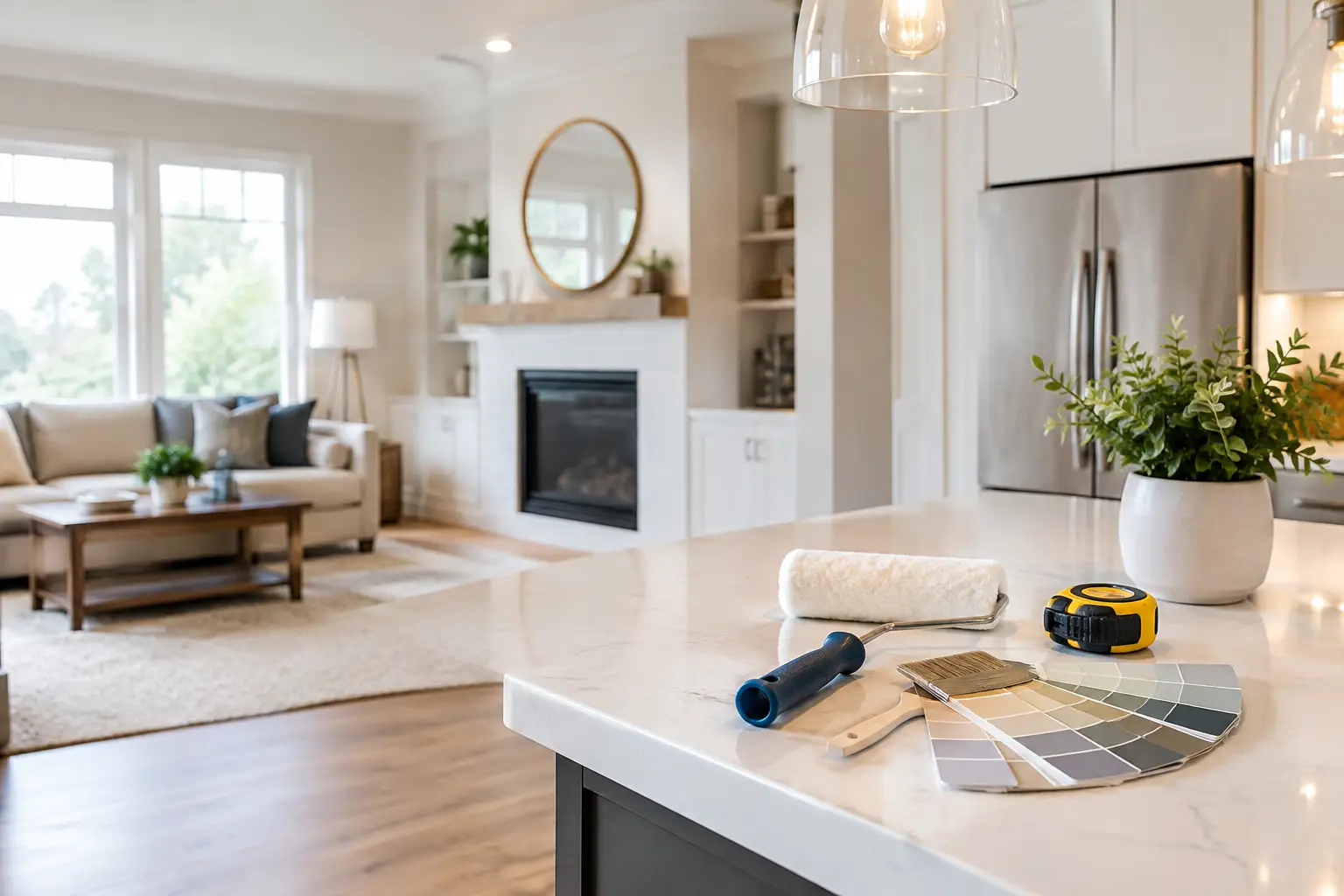
A buyer may fall in love with your home’s location, floor plan, or water access, then hesitate over a worn front door, dated light fixtures, or a repair they can see from the driveway. The top home upgrades before selling are not always dramatic renovations. They are the strategic improvements that make buyers feel confident, help your photos stand out, and reduce the objections that can surface during negotiations.
For sellers across Maryland’s Eastern Shore, Anne Arundel County, Queen Anne’s County, and nearby communities, the right plan depends on the home, price range, competition, and likely buyer. Before spending money, look at your property through a buyer’s eyes and compare it with homes currently competing for attention. A thoughtful preparation strategy can protect your time, your sale price, and your peace of mind.
Start With Repairs Buyers Will Notice
A beautiful kitchen will not fully offset a leaking faucet, loose handrail, stained ceiling, or exterior trim that is visibly deteriorating. Buyers often use small, obvious maintenance issues to make assumptions about larger items they cannot see. If the home appears neglected, they may wonder about the roof, HVAC system, plumbing, electrical work, or foundation.
Start with a practical repair review. Address active leaks, damaged screens, missing caulk, sticking doors, cracked windowpanes, loose outlets, and nonfunctioning lights. Make sure smoke and carbon monoxide detectors are present and operational. If your home has a deck, porch, steps, or railings, inspect them closely for safety concerns.
This work may not create the excitement of a new bathroom, but it supports a stronger showing and can prevent a buyer’s inspection from becoming an extended repair negotiation. When a repair is more substantial, such as an aging roof or failing HVAC component, the best path depends on its condition, expected cost, and local buyer expectations. Replacing it before listing can be wise in some cases; pricing accordingly and disclosing the condition may be more practical in others.
Refresh Paint and Lighting for a Cleaner First Impression
Fresh, neutral paint remains one of the most effective upgrades for many sellers. It makes rooms feel cleaner, brighter, and more move-in ready, especially when walls have scuffs, bold colors, patchwork repairs, or signs of everyday family life. Soft warm whites, light greiges, and restrained neutral tones generally appeal to the broadest group of buyers.
Paint is especially valuable in entryways, hallways, kitchens, living areas, and primary bedrooms. You may not need to paint every room. A well-kept room in a current, neutral color can stay as it is, while a dark accent wall or heavily marked staircase may deserve attention.
Lighting deserves the same practical focus. Replace burned-out bulbs, use consistent bulb temperatures, and clean glass fixtures. Dated lights in highly visible areas, such as the dining room, foyer, bathroom vanity, and kitchen, can often be replaced at a reasonable cost. The goal is not to make every fixture trendy. It is to make the home feel bright, cared for, and easy to imagine living in.
Improve Curb Appeal Before Buyers Reach the Door
Online photos get buyers interested. The exterior decides how they feel as they arrive. Curb appeal is especially influential because it shapes the first impression before a showing has even begun.
A clean, orderly exterior usually delivers more value than an elaborate landscaping project. Pressure wash siding or walkways where appropriate, clear gutters, trim overgrown shrubs, edge the lawn, and remove dead plantings. Refresh mulch sparingly, repair damaged fencing, and make sure the house numbers are visible. If the front door is worn, repainting it or replacing dated hardware can make a noticeable difference.
For waterfront, rural, or larger-lot homes, presentation extends beyond the front walk. Buyers will notice the condition of docks, sheds, fences, exterior lighting, drainage areas, and outbuildings. They are evaluating the lifestyle and the maintenance that comes with it. Address what is unsafe or visibly deteriorated, then clean and organize what remains.
Make the Kitchen Feel Current Without Over-Remodeling
Kitchens sell homes, but that does not mean every seller needs a full renovation. A major remodel can be expensive, disruptive, and too personal in style. If neighboring homes at your price point have updated kitchens and yours is substantially behind, a larger investment may be worth evaluating. Otherwise, targeted changes often provide a better return.
Consider refinishing or painting cabinets if they are structurally sound but visually dated. Replace worn hardware, repair damaged drawers, update an old faucet, and remove clutter from counters. Deep-clean appliances and replace any that are clearly nonfunctional or mismatched in a distracting way. New countertops may make sense if existing surfaces are damaged or severely dated, but choose durable, broadly appealing materials rather than a highly specific design.
Buyers respond to a kitchen that feels clean, functional, and well maintained. They do not need every surface to be brand new to picture making it their own.
Focus Bathroom Updates on Cleanliness and Function
Bathrooms are another high-visibility area where small improvements can shift perception. Recaulk tubs and showers, repair loose tile, replace a dripping faucet, and ensure exhaust fans work properly. Grout that is stained or cracked should be cleaned, refreshed, or repaired. These details signal maintenance, which matters more than a luxury finish in many price ranges.
A new mirror, vanity light, towel bar, or faucet can modernize a bathroom without the cost of a full remodel. If a vanity is swollen, peeling, or damaged from water exposure, replacement may be justified. Keep finishes simple and coordinated. Buyers are looking for a bathroom that feels fresh and usable, not necessarily one designed for a magazine spread.
Address Flooring That Distracts From the Home
Flooring has a major impact because buyers see and feel it in almost every room. Worn carpet, heavily scratched hardwood, cracked tile, or mismatched flooring can make an otherwise well-kept home feel like a project.
Professional carpet cleaning may be enough if carpet is in good condition and free of odors or stains. If it is worn or outdated, replacing it with a neutral option can be a smart preparation expense. Hardwood floors may benefit from refinishing, but not every floor needs a complete restoration. A local assessment can help determine whether cleaning, spot repair, or refinishing is appropriate.
Be cautious about installing inexpensive flooring simply to say it is new. Buyers often notice poor transitions, rushed installation, or materials that do not suit the home’s value. Quality, consistency, and clean installation matter.
Know When Not to Upgrade Before Selling
The most expensive project is not always the most profitable one. Custom built-ins, high-end specialty appliances, elaborate landscaping, and luxury finishes may not return their full cost, particularly if they exceed the expectations for comparable homes nearby.
It also matters who is likely to buy your property. A first-time buyer may value a manageable, move-in-ready home with reliable systems. A buyer shopping for a larger home may care more about square footage, storage, a functional layout, and outdoor space. An investor may focus on condition, rental potential, and the cost to improve the property after closing.
This is where pricing and preparation work together. A home can sell well without every update if it is positioned honestly, priced strategically, and marketed to the right audience. The goal is not to erase every sign of age. It is to remove the concerns that make buyers discount the home or walk away.
Build a Plan Around Your Home and Timeline
Before scheduling contractors or buying materials, create a prioritized plan. Begin with safety and deferred maintenance, then move to cosmetic updates that improve photography and buyer confidence. Finally, consider larger projects only when local comparable sales support the investment.
A pre-listing walkthrough can help separate the improvements that will influence market response from the ones that simply feel good to complete. It can also identify repairs that may be requested later, allowing you to handle them on your own schedule rather than under the pressure of a contract deadline.
Selling a home often involves more than paint colors and repair lists. There may be a relocation date, tenant transition, estate responsibilities, or the need to prepare a new home at the same time. Toni McDowell Homes helps sellers organize the details, make practical choices, and move forward with a strategy built around their specific goals.
The best next step is a clear conversation before the work begins. With the right preparation plan, every dollar and every weekend can be directed toward helping buyers see not just a house, but a home they are ready to choose.